Defra inspects Brigstock flood resilience measures tested with 600mm of water
The RAIN project combined property measures, resident flood plans and catchment works during a Defra visit to Brigstock, Northamptonshire.
Key facts
- Defra delegates saw flood resilience measures tested with up to 600mm of water at Harpers Court in Brigstock.
- Amplius operates Harpers Court as an independent living scheme.
- Watertight installed property measures following detailed surveys by JBA Consulting.
- RAIN combines property flood resilience, natural flood management and community preparedness across two Northamptonshire catchments.
- Residents received personalised flood plans through the Resilico app and advice from Mary Long-Dhonau OBE.
- Defra funds RAIN through the £200 million Flood and Coastal Innovation Programmes, managed by the Environment Agency.
Defra sees property measures undergo 600mm water demonstrations
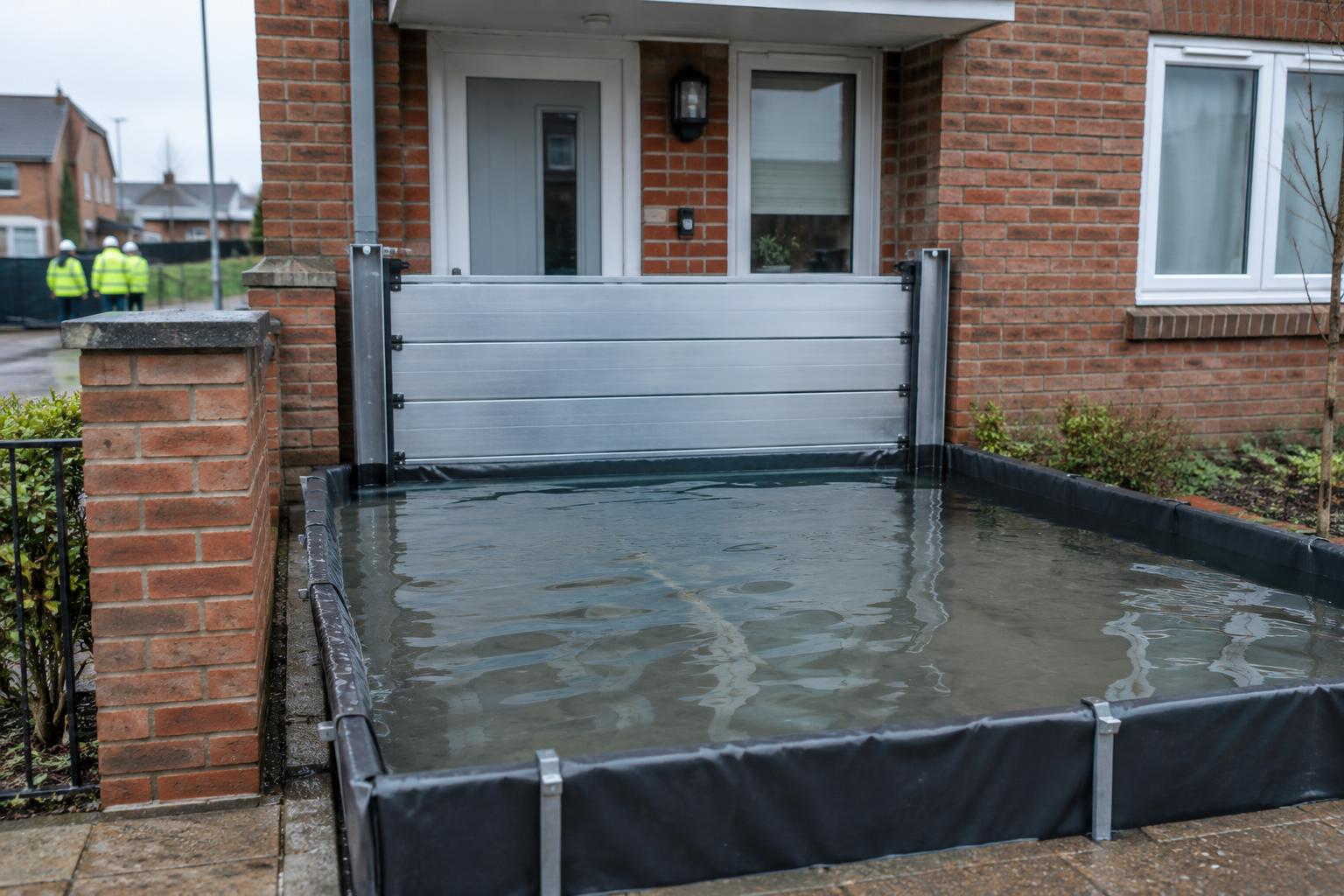
Senior Department for Environment, Food & Rural Affairs (Defra) representatives watched live demonstrations using up to 600mm of water during a visit to flood resilience installations in Brigstock, Northamptonshire. The demonstrations took place at Harpers Court, where building protection forms part of a wider programme combining property measures with resident preparedness and catchment works.
Amplius operates Harpers Court as an independent living scheme. The work covers individual apartments and communal areas, alongside the lift shaft and mobility equipment store, extending the scope of the installations beyond residents’ accommodation to shared facilities and service spaces.
Watertight installed the property flood resilience (PFR) measures following detailed property surveys by JBA Consulting. PFR aims to better protect buildings and their occupants from flooding; the 600mm water depth describes the conditions used for the demonstrations, rather than a stated universal protection rating for the installations.
The visit also took delegates to nearby homes fitted with flood doors, flood barriers and non-return valves, which prevent reverse flow through pipework. Watertight carried out those installations, with JBA Consulting subsequently auditing the work. These homes formed a separate stop from the demonstrations at the independent living scheme.
JBA Consulting technical director Shelley Evans said surveys and post-installation audits helped match measures to the flood risk facing each property and the people living there. Her assessment emphasised the need to consider both the type of flooding properties might encounter and occupants’ requirements when selecting protection.
The delegation met delivery partners and stakeholders including Watertight International, JBA Consulting and Amplius, bringing together public, private and housing-sector organisations. A meeting at Brigstock Village Hall provided further detail on the scope of the works. Defra head of flood risk, resilience and insurance policy Juan Scouller said the visit also allowed officials to hear directly from residents.
RAIN links building protection with catchment management
Resilience and Innovation Northants (RAIN), which organised the visit, operates across the Harpers Brook and Wootton Brook catchments. It combines PFR, natural flood management and community preparedness, with the stated aims of reducing flood risk and improving resilience over the longer term rather than treating building protection as a standalone intervention.
Defra funds RAIN through the £200 million Flood and Coastal Innovation Programmes, managed by the Environment Agency. That figure covers the wider programmes and is not RAIN’s individual budget. RAIN programme manager Alan Ryan said the project had considered catchment management, property resilience and preparedness together from its outset.
At Harpers Court, residents described flooding they witnessed in 2020 and discussed how the project had affected their confidence and preparedness. Amplius sheltered housing team leader Mia Brophy said the work had reassured residents and supported their independence; these were reported assessments rather than quantified outcomes.
Residents have received personalised flood plans through the Resilico app, setting out actions before, during and after a flood event. Flood planning expert Mary Long-Dhonau OBE, also known as Flood Mary, has provided individual advice alongside the physical installations, adding personal guidance to the app-based support.
Watertight chief executive Gareth Boyd said the Resilico Connect app combined tailored plans with local flood alerts and maintenance reminders. He described preparedness as extending beyond installation, including knowing what action to take when a flood warning arrives and supporting recovery if flooding occurs.
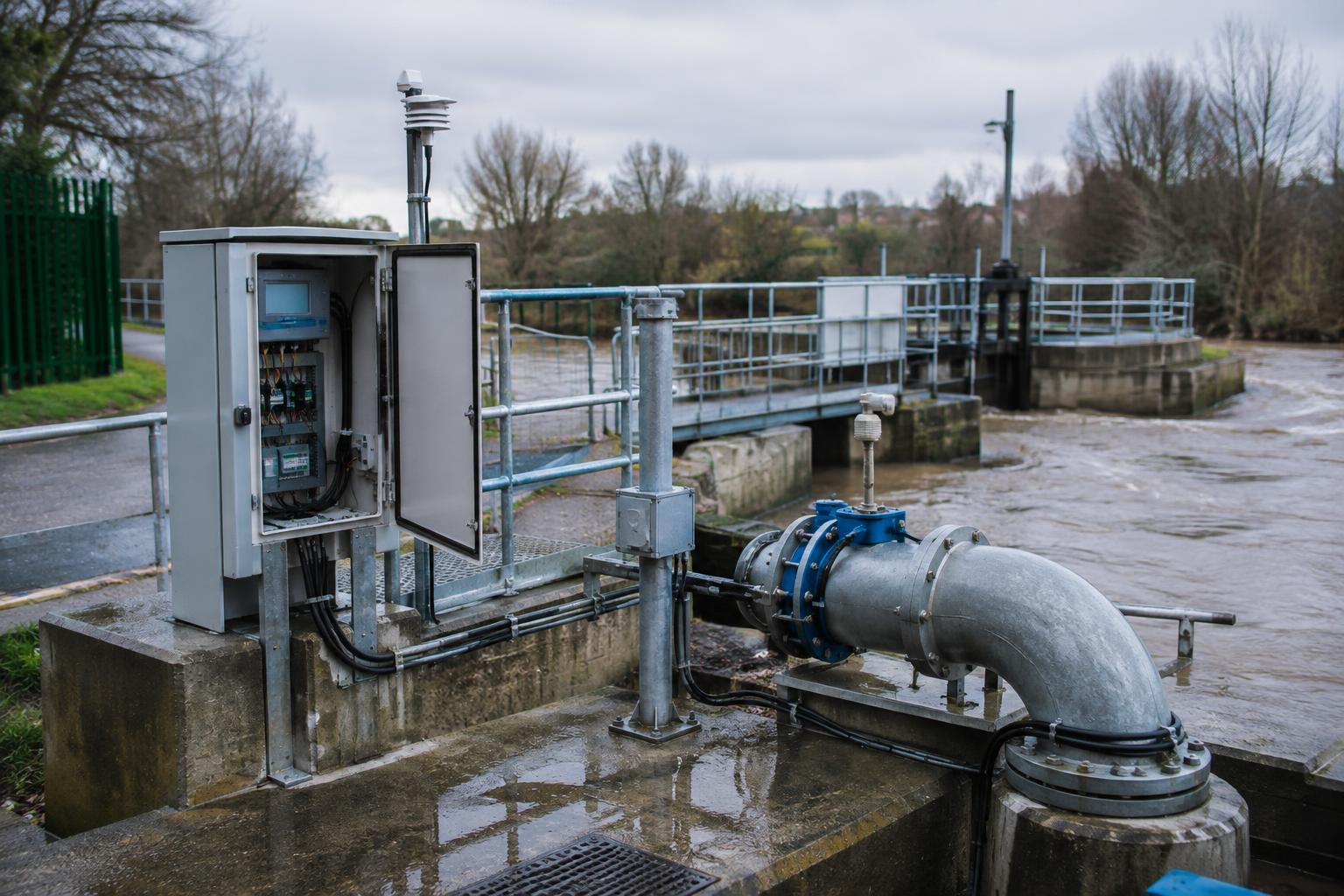
The visit also included a guided walk to Rush Meadow Ponds wetland, where RAIN project manager Sarah Parr explained the natural flood management measures. These aim to slow water moving through the catchment, which includes Sudborough and Lowick, addressing flows beyond the individual buildings protected by the property-level works.
Partners emphasise surveys, preparedness and resident confidence
Defra’s Juan Scouller praised RAIN’s coordination of the Brigstock work, identifying cooperation between local organisations as a strength of the project. His assessment endorsed the partnership’s delivery approach, rather than presenting evidence of performance during a subsequent flood.
Flood plans set out residents' actions for future events
Watertight chief executive Gareth Boyd also identified quicker recovery after flooding as an intended benefit of preparedness. The source provides no recovery-time measurements, next-phase delivery timetable, additional funding commitment or further installation target.
Why this matters
For drainage and flood risk professionals, the remaining distinction is between partners’ assessments and demonstrated outcomes. Claims about confidence or faster recovery should not be read as measured evidence of reduced disruption. The source offers no basis for quantifying that benefit or forecasting further delivery. Part 1 already contains the substantive survey, maintenance and resident-planning details, leaving insufficient unused material for a further 500-word continuation without repetition.
Frequently asked questions
what flood resilience measures have been installed in Brigstock
Installations at nearby homes include flood doors, flood barriers and non-return valves. At Harpers Court, measures cover individual apartments, communal areas, the lift shaft and the mobility equipment store.
what is the RAIN project
RAIN stands for Resilience and Innovation Northants. The project combines property flood resilience, natural flood management and community preparedness across the Harpers Brook and Wootton Brook catchments.
who funds the RAIN project
Defra funds RAIN as part of the £200 million Flood and Coastal Innovation Programmes, which the Environment Agency manages.
how were flood resilience measures tested at Harpers Court
During the Defra visit, live wet demonstrations showed measures being tested with up to 600mm of water.
who installed the flood protection at Harpers Court
Watertight installed the property flood resilience measures after JBA Consulting carried out detailed property surveys. Amplius operates the independent living scheme.
how are Brigstock residents being helped to prepare for flooding
Residents received personalised flood plans through the Resilico app, covering actions before, during and after flooding. Mary Long-Dhonau OBE also provided personal flood planning advice.
where are the RAIN natural flood management measures
The visit included Rush Meadow Ponds wetland, where project manager Sarah Parr explained measures created to slow water through the catchment, which includes Sudborough and Lowick.