Drainage planning advice flags construction checks and SuDS maintenance risks
The Drainage Designers advises developers to carry drainage controls beyond planning approval, with installation checks, runoff management and clear maintenance responsibilities.
Key facts
- The Drainage Designers recommends surveying existing drainage pipes before submitting planning applications.
- The consultancy identifies incorrect pipe gradients, damaged joints and inadequate compaction as construction defects.
- Temporary swales, sediment traps and settlement tanks feature among its recommended construction runoff controls.
- The advice recommends inspecting SuDS after the first significant rainfall.
- The consultancy advises developers to establish drainage adoption and maintenance responsibilities before completion.
Advice extends drainage checks beyond planning approval
Developers should carry drainage checks through construction and handover rather than treat planning approval as the end of drainage risk, according to The Drainage Designers (Woodvale consulting Ltd). The consultancy warns that poor installation and inadequate commissioning can lead to snagging disputes, delayed completion certificates and warranty claims. Its advice gives its last update as 10 October 2026.
The guidance identifies incorrect pipe gradients, damaged joints and inadequate compaction around pipes as construction defects, alongside drainage planting installed at the wrong level or using unsuitable species. It recommends appointing a drainage inspector to witness pipe laying, joint testing and backfilling, and obtaining as-built drawings recording the actual locations and depths of installed infrastructure.
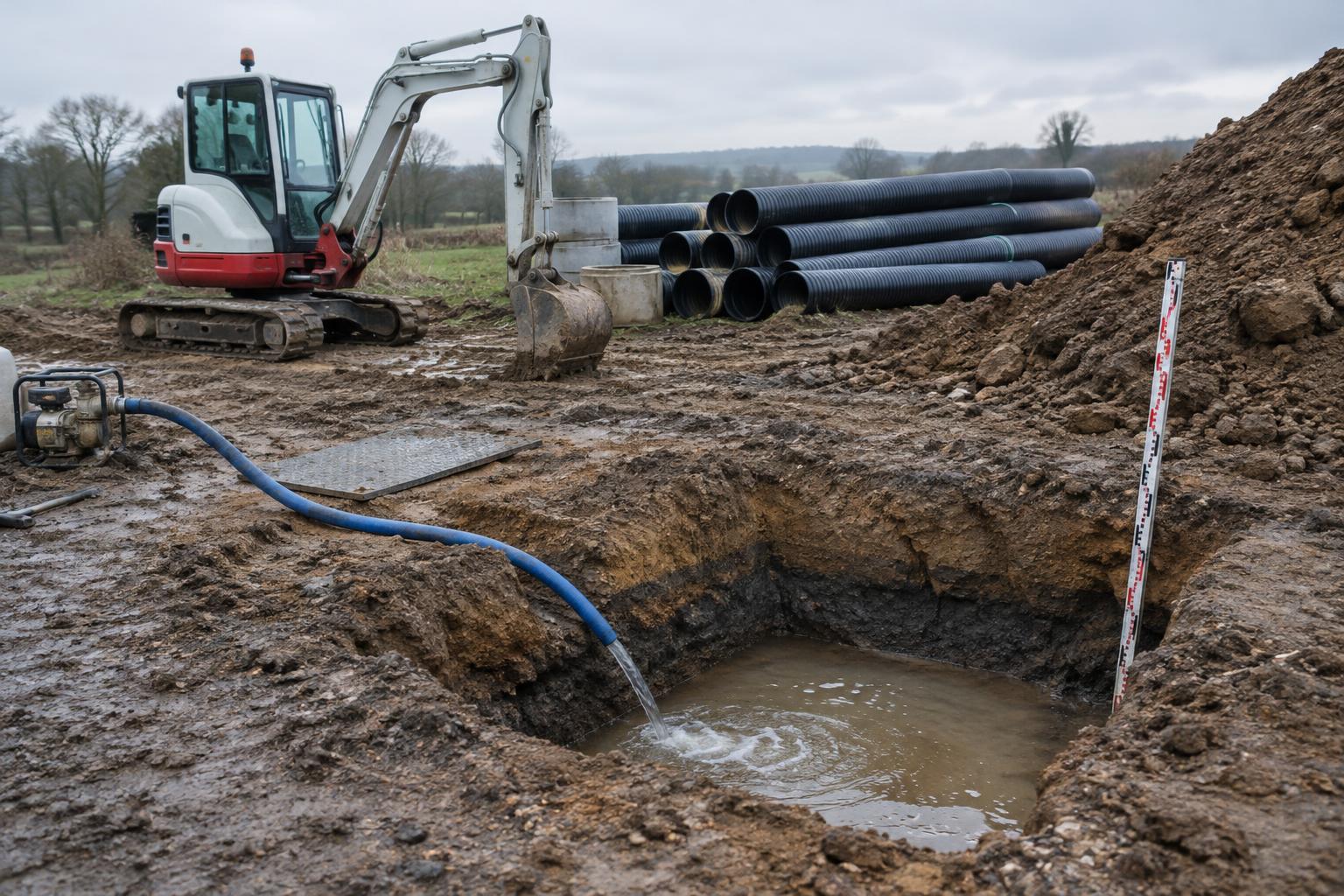
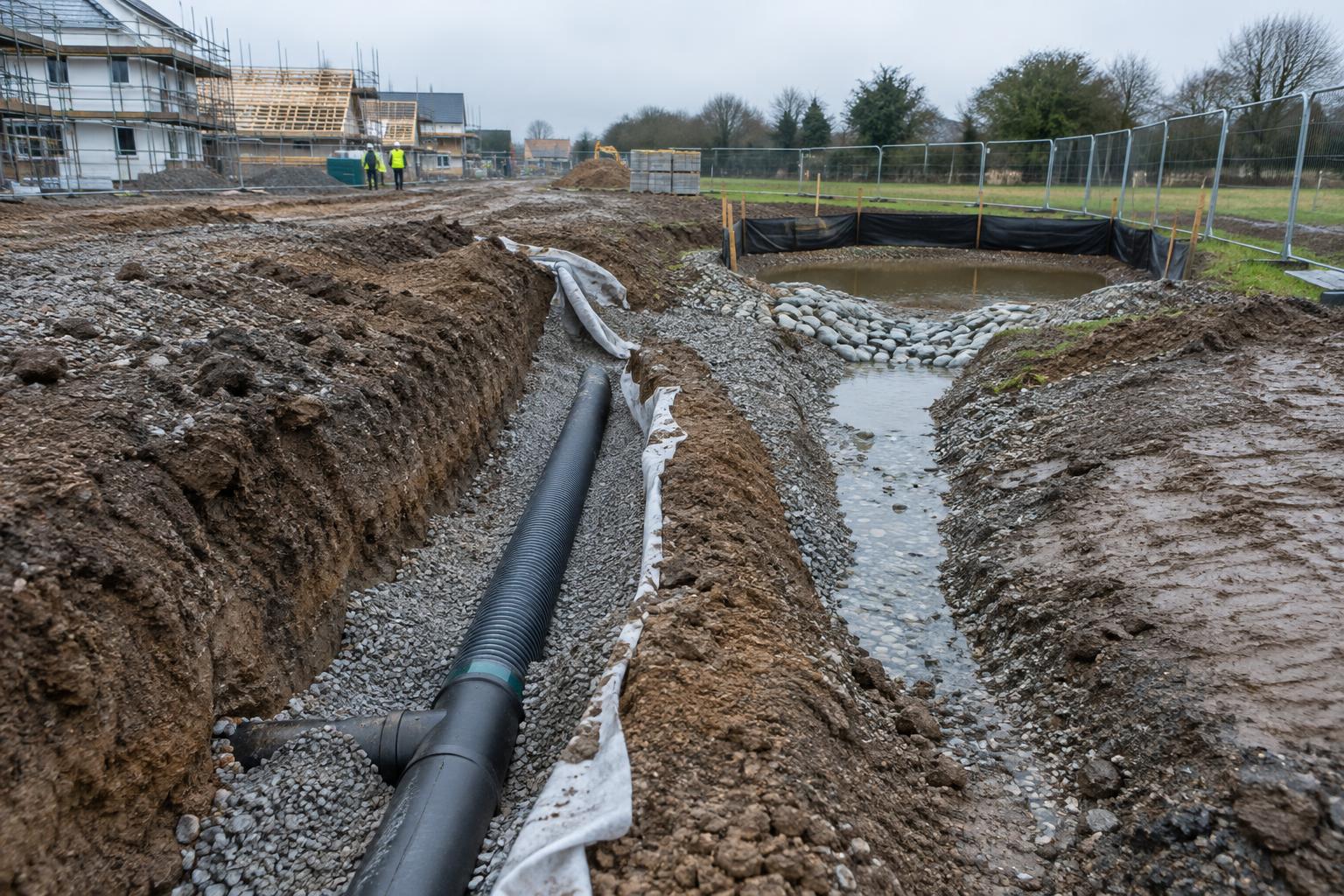
Construction runoff requires separate controls because exposed soil, excavations and stored materials can generate sediment that blocks drains or pollutes watercourses, the consultancy says. It recommends installing temporary swales, sediment traps or settlement tanks before work begins, then inspecting them regularly and removing accumulated sediment. Uncontrolled runoff can breach environmental permits and prompt Environment Agency or local authority enforcement, it warns.
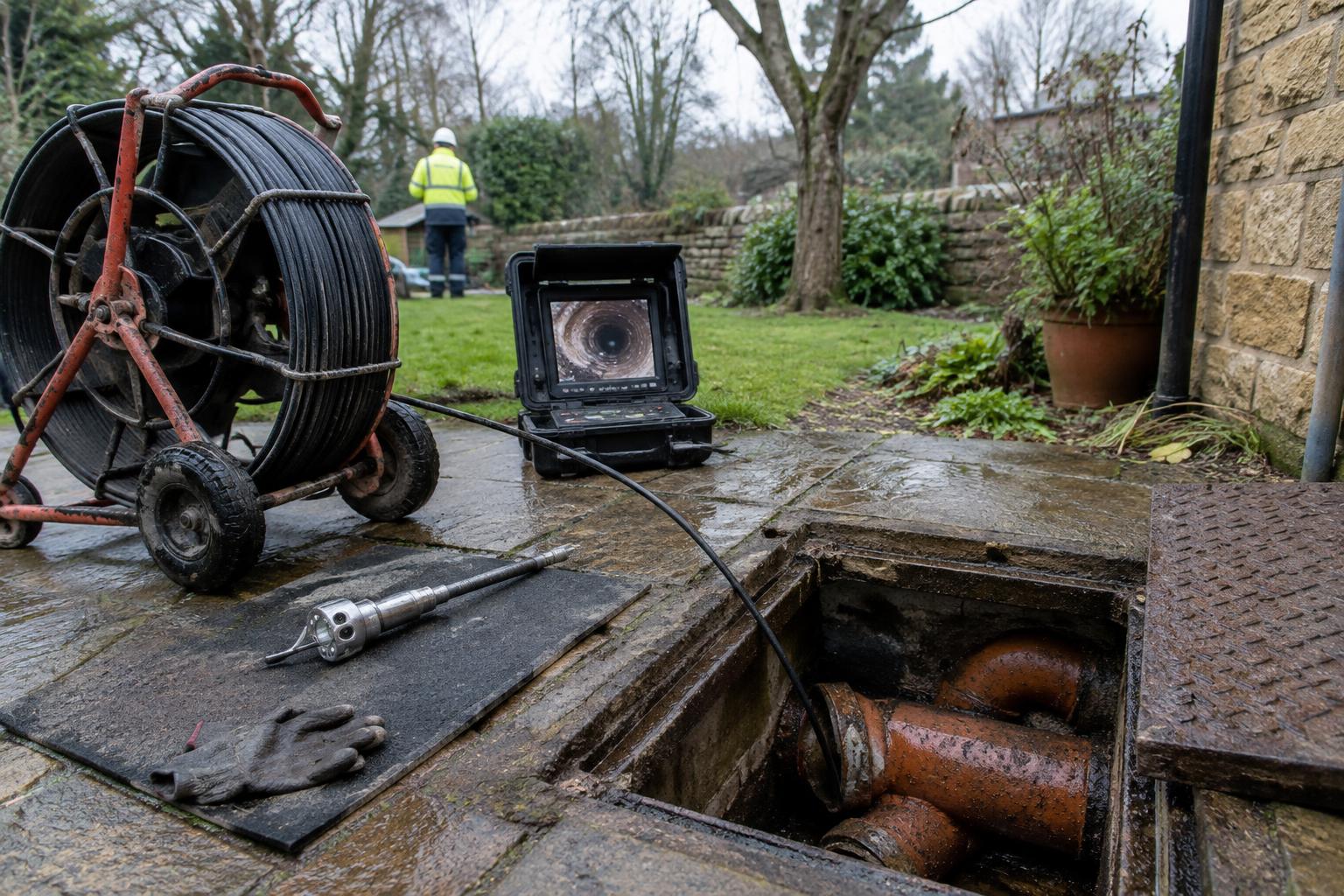
Before handover, the advice calls for pressure testing of foul drainage pipes to establish watertightness and performance testing of surface water systems against their designed drainage rate. It also recommends closed-circuit television (CCTV) pipe inspections to detect defects that visual checks miss, with testing completed and signed off before transfer to the client or local authority.
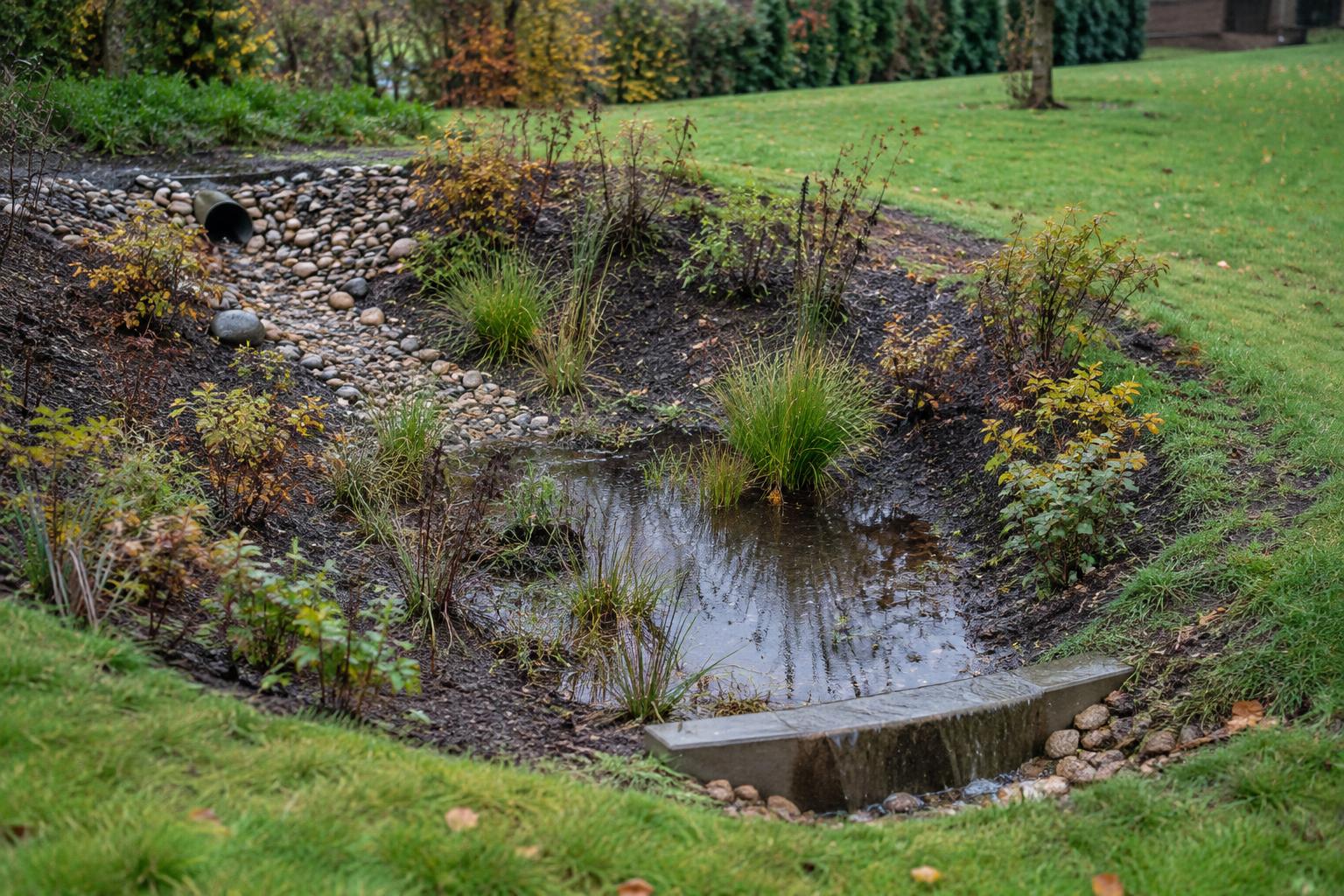
Sustainable drainage systems (SuDS), which slow, store, filter or allow runoff to soak into the ground, need a commissioning period to establish vegetation and check performance, according to the guidance. It recommends inspecting rain gardens, swales and detention basins after the first significant rainfall for ponding, erosion and overflow, rather than relying solely on checks made during installation.
The consultancy advises developers to settle who will maintain drainage before completion: the local authority, property owner or management company. Council adoption depends on meeting its standards and construction requirements; if adoption is refused, the advice calls for a maintenance agreement and funding mechanism. Handover documentation should allocate sediment clearance, vegetation replacement and damage inspections to identified responsible parties.
At the planning stage, the consultancy recommends seeking local authority pre-application advice before designing the scheme and retaining surveys, assessments and council correspondence as an audit trail. It says drainage shortcomings can attract objections from councils and the Lead Local Flood Authority. These recommendations connect with the evidence issues covered in guidance on addressing drainage planning objections, while extending responsibility into construction and maintenance.
Site levels and existing pipes shape drainage design
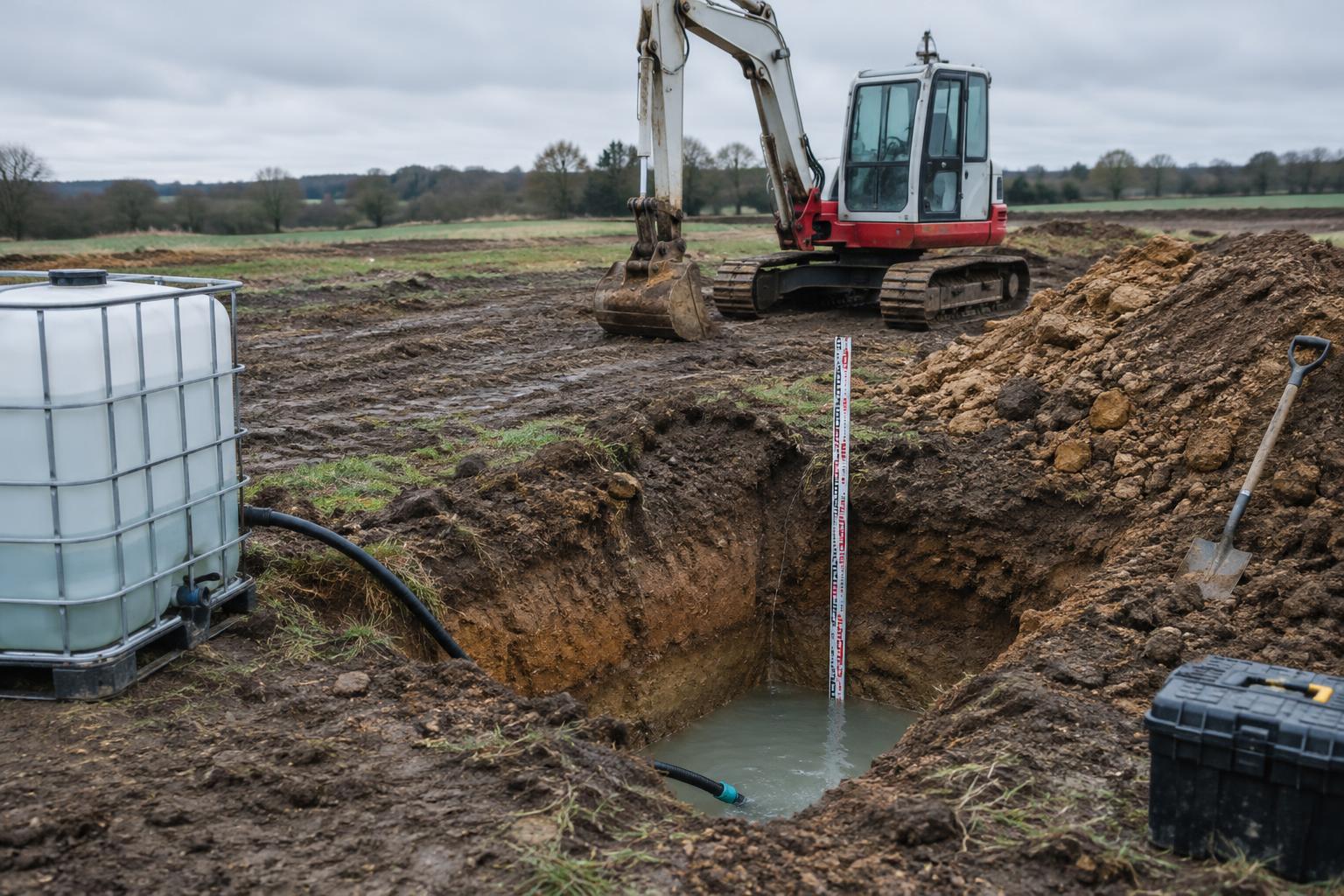
The consultancy recommends beginning drainage design with investigations of ground levels, soil permeability, existing pipes and nearby watercourses. Its pre-development checks also cover soil type, water table levels, surface runoff patterns and groundwater behaviour. Developers should record the findings in a drainage strategy and flood risk assessment, supported by ground investigation and infiltration testing to establish how readily water enters the soil.
Standing water can indicate either inadequate ground slopes or soil that cannot absorb rainfall quickly enough, according to the advice. It warns that heavier rainfall can increase flood risk, while persistent pooling can damage foundations and create safety hazards. Topographic surveys, which measure site levels, should identify low points and inform grading so that water flows away from buildings.
The guidance says most developments need a minimum surface drainage slope of 1:100, equivalent to a 1 metre fall over 100 metres. It presents detailed level surveys and careful grading design as the response to inadequate slopes. That recommendation sits alongside its requirement to understand soil permeability: the advice identifies both ground geometry and absorption capacity as causes of pooling.
Existing drainage should be surveyed and tested before a planning application, particularly where development expands a property or uses an established site, the consultancy says. Pipes may contain sediment, suffer damage or lack capacity for the proposed development. Roots can enter cracks, while erosion around pipes can weaken their support and lead to collapse; identifying nearby trees allows designers to consider rerouting drains or installing root barriers.
Flood risk work should examine historical flooding, local authority flood data, ground conditions and drainage capacity, the guidance says. It should establish the site's flood-zone status, possible flood sources and mitigation measures, while considering climate change and potentially more intense rainfall. The consultancy advises designing drainage for predicted local rainfall and documenting surface water management, foul water disposal, groundwater, infiltration rates and post-construction maintenance responsibilities.
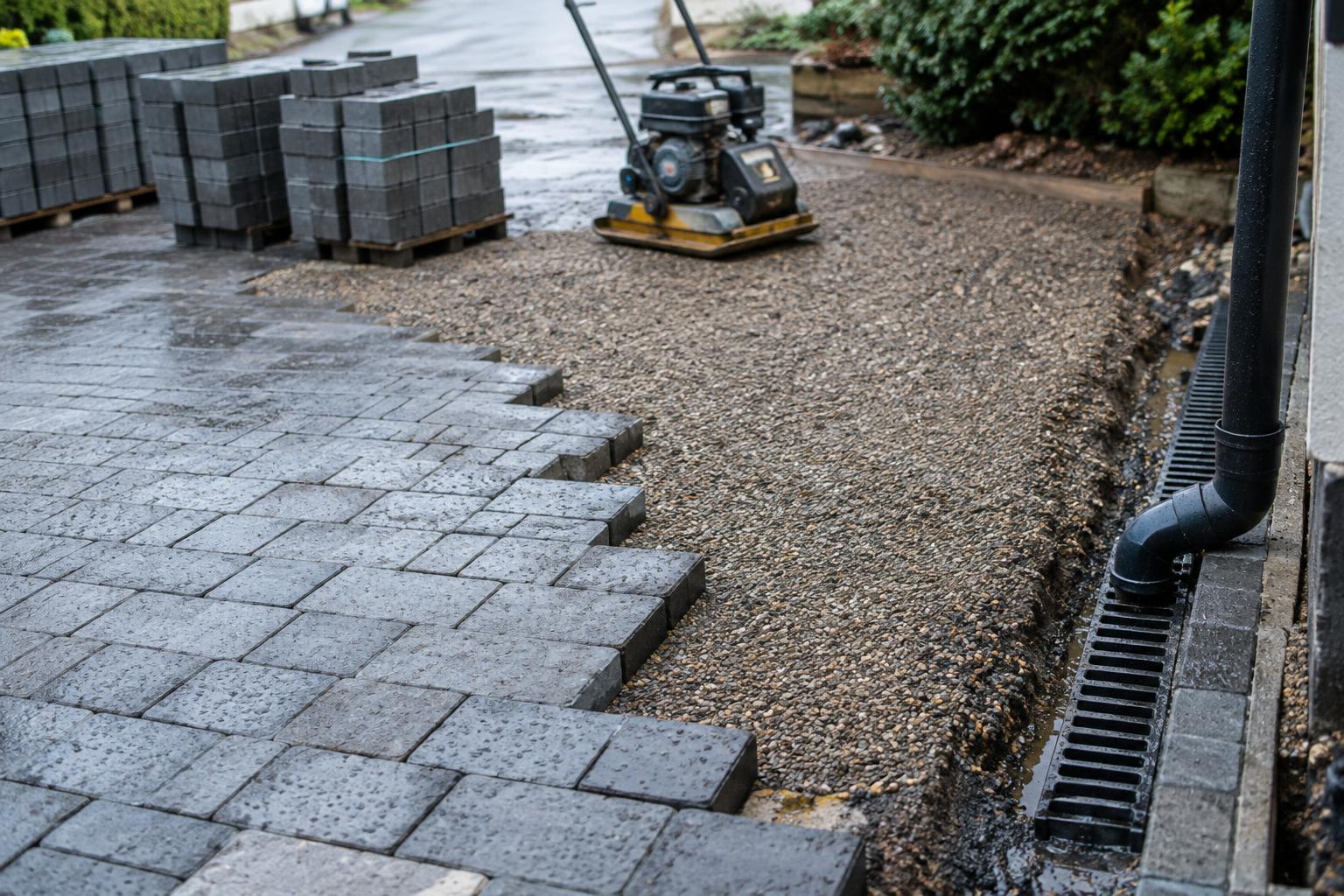
For residential and commercial schemes, the source describes permeable paving that drains through its surface, rain gardens that filter and absorb runoff, and detention basins that temporarily store rainfall before releasing it slowly. Other options include green roofs, which reduce runoff and provide insulation, and swales, shallow channels that convey and filter surface water. Selection depends on site conditions, soil type and local authority requirements.
The consultancy says SuDS can reduce pressure on public sewers, improve water quality and recharge groundwater, and that planning authorities expect them on most developments, particularly where impermeable surfaces increase runoff. Its recommended submission combines existing drainage, proposed improvements and SuDS with plans showing drain positions, gradients, pipe sizes and public sewer connections or alternative disposal arrangements. It also calls for evidence addressing local authority and Lead Local Flood Authority standards.
Consultancy recommends early council engagement and construction oversight
The Drainage Designers argues that professional surveys cost less than redesigning a drainage scheme six months into the planning process. It presents that comparison as a reason to invest in assessment early, but provides no survey prices or quantified redesign costs.
The consultancy also identifies a practical benefit from keeping project records accessible: developers can answer subsequent planning queries more quickly. It says a well-prepared drainage strategy can reduce prolonged exchanges with planning officers.
Its installation advice expressly covers gullies as well as pipes and SuDS features, requiring contractors to build them to specification. The guidance recommends a structured construction control process with defined roles, inspection schedules and sign-off procedures.
Handover needs rainfall inspections and maintenance arrangements
The consultancy warns that SuDS can deteriorate rapidly and fail within a few years without a maintenance plan. It gives no monitoring results or scheme examples to support that timeframe, so the warning should not be read as a measured service-life estimate.
Unclear drainage responsibilities can also leave infrastructure unmaintained and create disputes, according to the guidance. Its warning concerns the consequences of unresolved responsibility, rather than reporting an adoption dispute at a named development.
Why this matters
For drainage and flood risk professionals, the remaining advice highlights the distinction between practical recommendations and quantified evidence. The consultancy offers reasons to invest in surveys and organise project controls, but does not establish financial savings or a verified SuDS failure rate. Those limitations matter when using the guidance to explain expenditure or maintenance risks to clients: its recommendations should not be presented as measured outcomes.
Frequently asked questions
should existing drains be surveyed before a planning application?
The Drainage Designers recommends surveying and testing existing pipes before submitting a planning application. Checks can identify blockages, damage and insufficient capacity, allowing developers to include proposed remedies in their submission.
what drainage defects should be checked during construction?
The Drainage Designers identifies faulty pipe gradients, joint damage and insufficient compaction around pipes as construction defects. It advises appointing a drainage inspector to witness pipe installation, joint tests and backfilling, and obtaining drawings recording installed drainage locations and depths.
how do you control drainage runoff on a construction site?
The Drainage Designers recommends installing temporary swales, sediment traps or settlement tanks before construction starts. Swales are shallow channels that convey and filter runoff. Temporary controls need regular inspections, maintenance and sediment removal to prevent blockages in permanent drainage.
what drainage tests are needed before handover?
The Drainage Designers advises pressure-testing foul drainage for watertightness and checking that surface water systems discharge at their design rate. It also recommends CCTV pipe inspections to detect concealed defects, with testing completed and signed off before handover.
when should SuDS be inspected after installation?
The Drainage Designers recommends checking sustainable drainage systems (SuDS) after the first significant rainfall. Inspections of rain gardens, swales and detention basins should look for standing water, erosion and overflow as vegetation establishes and system performance is confirmed.
what should a SuDS maintenance plan include?
According to The Drainage Designers, a sustainable drainage systems (SuDS) maintenance plan should allocate responsibility for sediment clearance, replacement planting and damage inspections. Developers should provide the plan to the property owner or management company.
who is responsible for drainage maintenance after a development is completed?
The Drainage Designers advises developers to settle maintenance responsibilities before completion: the local authority may adopt the system, or responsibility may remain with the owner or management company. If adoption is refused, it recommends a maintenance agreement and funding mechanism.
Related coverage